



The 🐿️’s best and worst trades in global macro both originated in Asia. The best one came following Shinzo Abe’s election in Japan in late 2012. This rodent was ‘all in’ on Abe’s “Three Arrows” economic reforms.
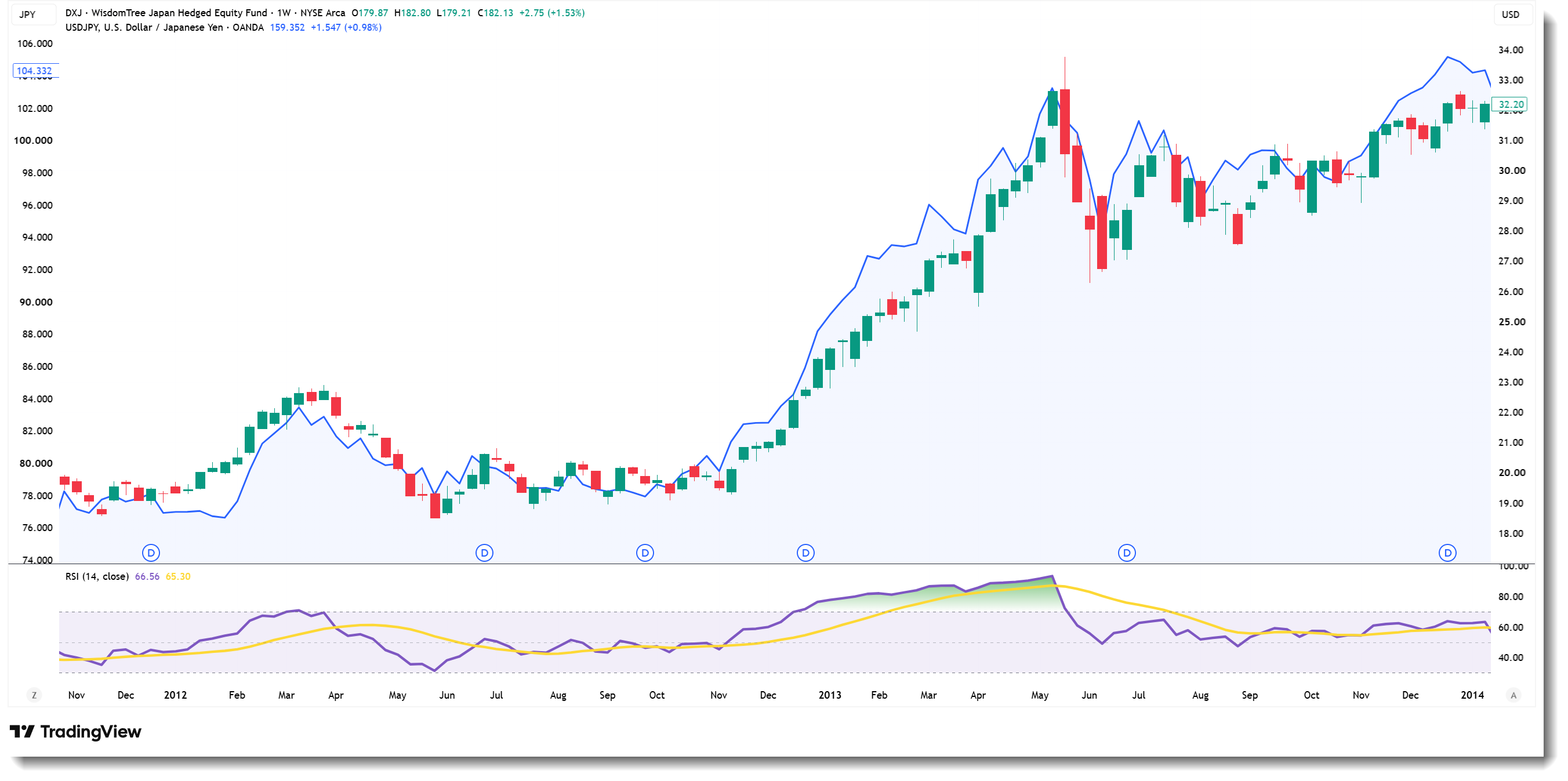
A leveraged long position in USD/JPY, combined with rolling 30-delta call option positions in DXJ 0.00%↑ (the WisdomTree dollar-hedged Japan equity ETF biased heavily towards industrial exporters - think Toyota and Fanuc) made for a heady cocktail. I even managed not to overstay my welcome when the trade started to correct May/June 2013.
However, getting Abenomics right only marginally compensated for the absolutely lousy macro call that I had made a decade earlier.
It was early 2003. My first 2 years in Asia - starting in the aftermath of the 1998 Asian FX crisis - had been wild. The period following the DotCom bust of 2000 had been a lot less fun for investment bankers - especially for those involved in repeated recapitalizations of a certain Korean DRAM company that can’t stay off the front pages these days.
But things were looking up. China’s WTO accession was was beginning to translate into a genuine boom in mainland China capital markets activity. Then, in March of that year, came the SARS epidemic. With the benefit of hindsight from Covid, this short (3-4 month) and relatively localized event may not have seemed like a big deal.
Being on the ground, however, scenes from the Wolfgang Petersen movie Outbreak felt like they were just around the corner. I had been mulling over the offer of a role with the bank back in London. All of a sudden, that role seemed a whole load more interesting.
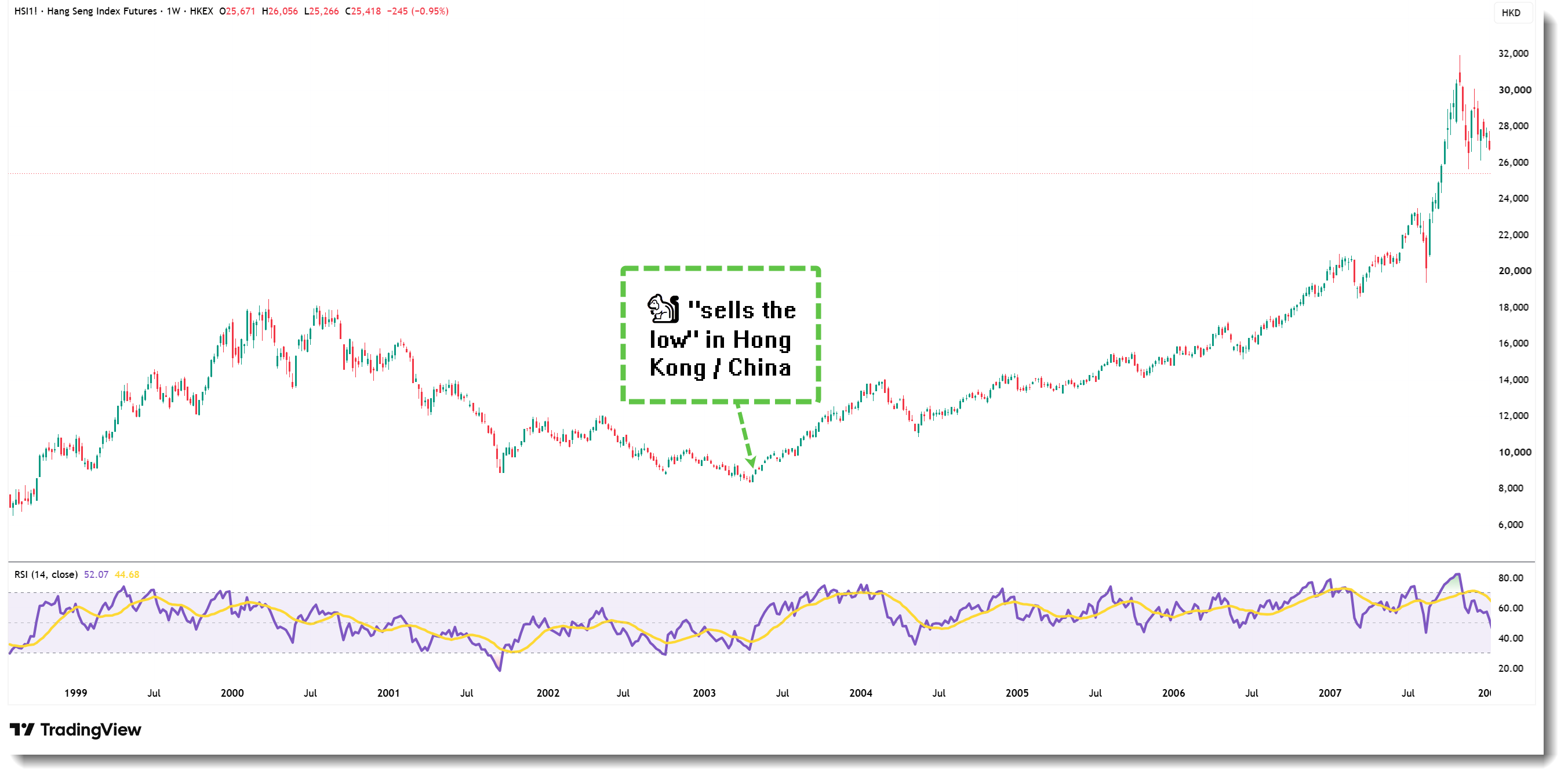
Yup, this dumb rodent ‘sold the lows’ in Chinese equities!
To make matters worse, I had recently (at last!) overcome my scruples with respect to property ownership in Hong Kong - a city easily as obsessed with the local real estate market as my adopted homeland ‘down under’.
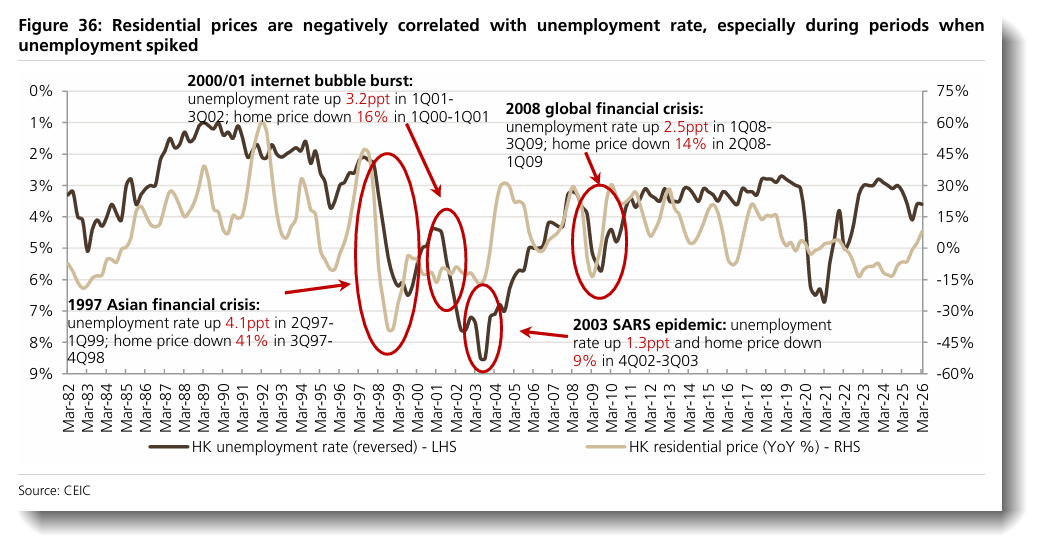
Up until that point, I had been wary of (i) a local mortgage market in which loan-to-value ratios were continually reassessed amid volatile prices - meaning that, given the correlation between property and local equity values, a bank margin call could arrive just as one’s day job was potentially at risk; (ii) lingering concerns around land title post-handover; and (iii) property values that were arguably overly supported by (artificial) restrictions on land supply.
But in 2003, local house prices were still sitting at fractions of their pre-1998 levels and SARS had driven what (with hindsight obviously!) was a capitulation low.
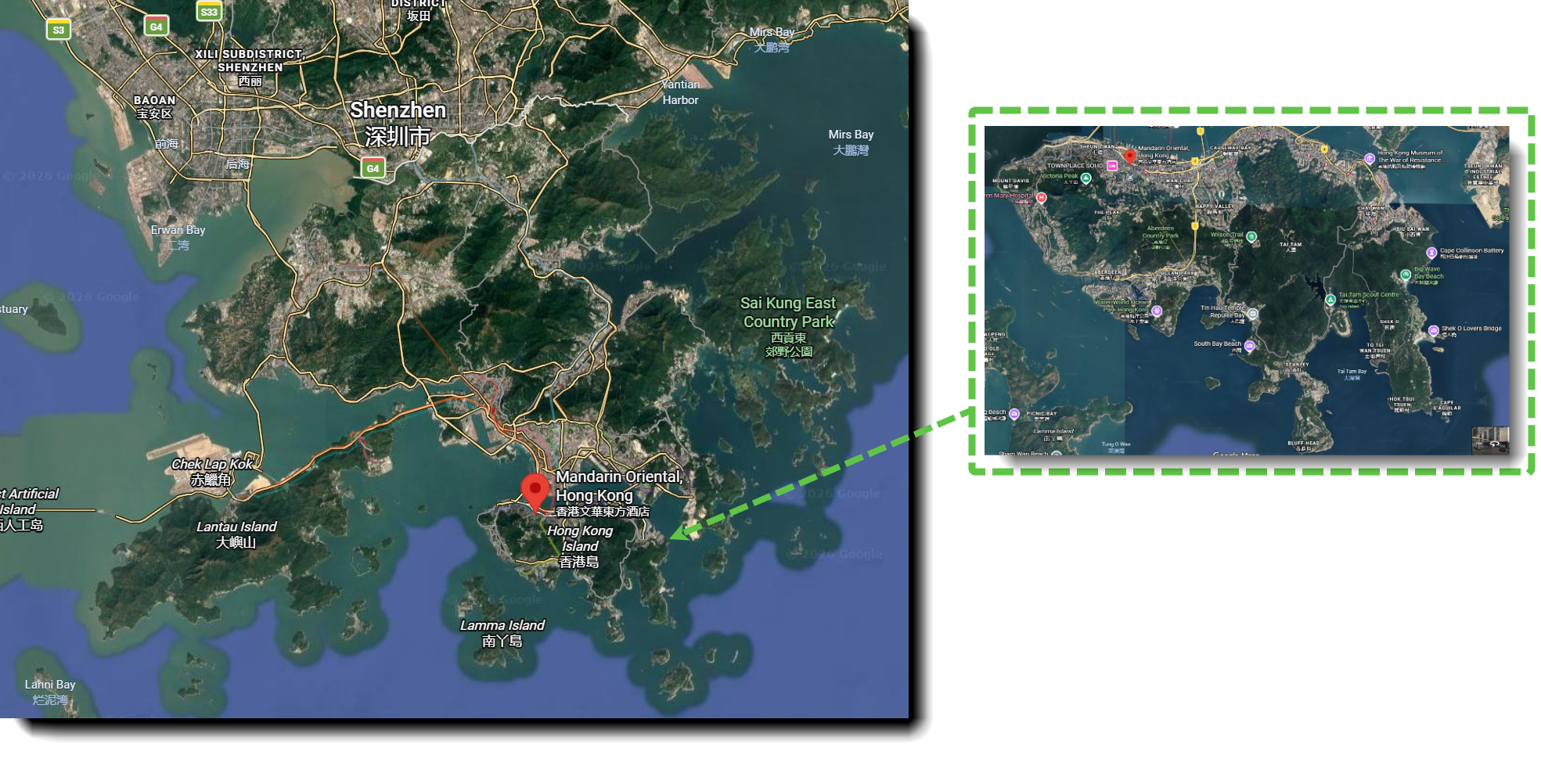
Specifically, I had my eye on an apartment in this building at the foot of The Peak (below) - just a short walk from the office (tolerable even in the sweatiest days of August). I got on a plane to London just days after someone else bought it below the asking price (around HK$14m - $1.8m).
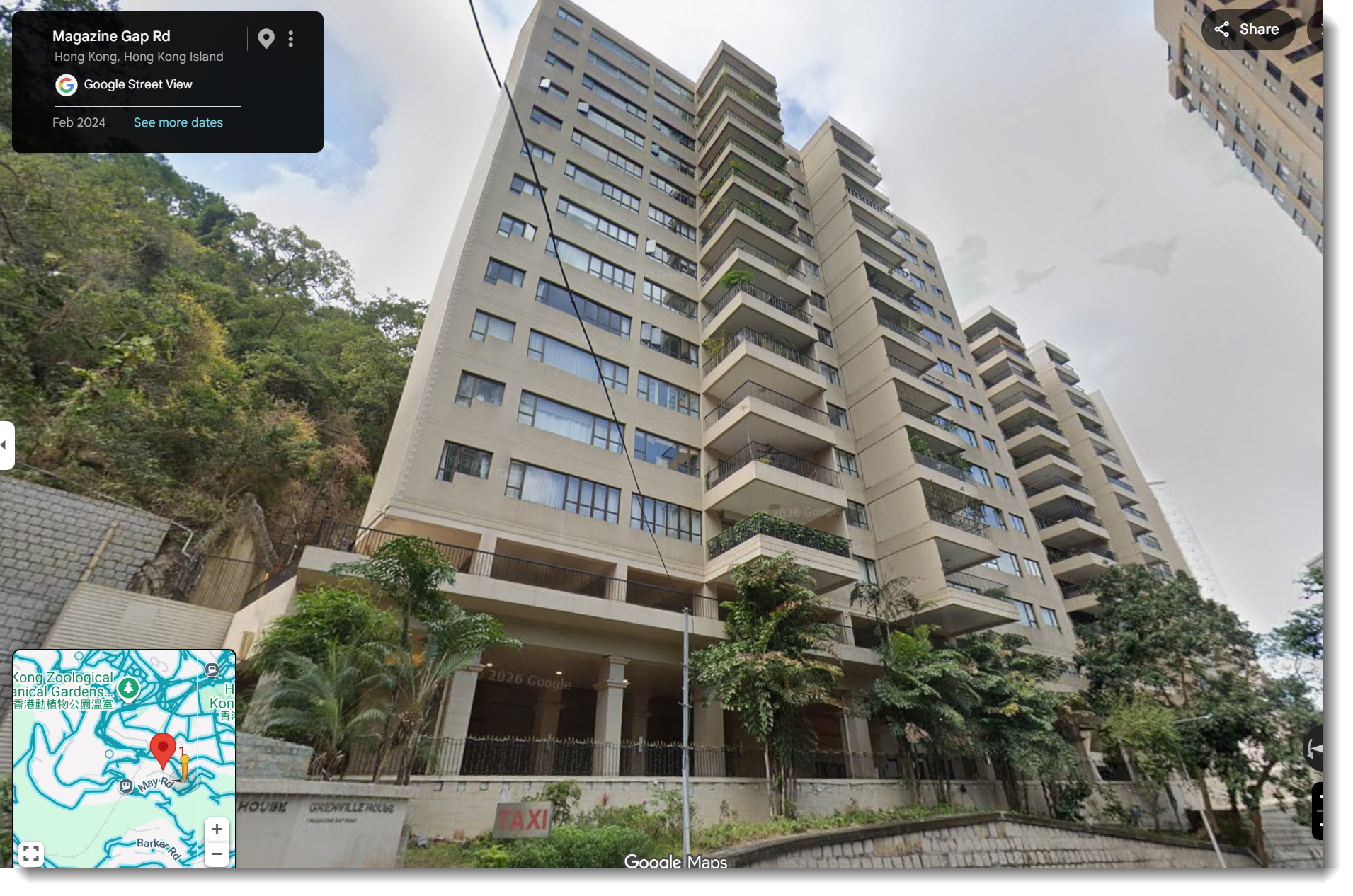
The value of that same flat would have been HK$70m ($9m) by the time I moved back to Hong Kong seven years later. Today, you are probably looking at something like HK$130m ($16.7m) for the same unit. As I said, this was without doubt the 🐿️’s worst macro trade EVER!
Am not going to make a similar mistake on HK bricks and mortar again. But before getting to the specifics, let’s take stock of where we are with the portfolio’s existing HK/China exposure.
China Acorn Basket Update
It’s tough to believe that it has been over three months since the review of our concentrated China stock portfolio.

The key takeaway from that exercise was to formulate a plan for execution once we were comfortable adding back risk “post-Hormuz crisis” - a concept that now increasingly feels like “waiting for Godot”.
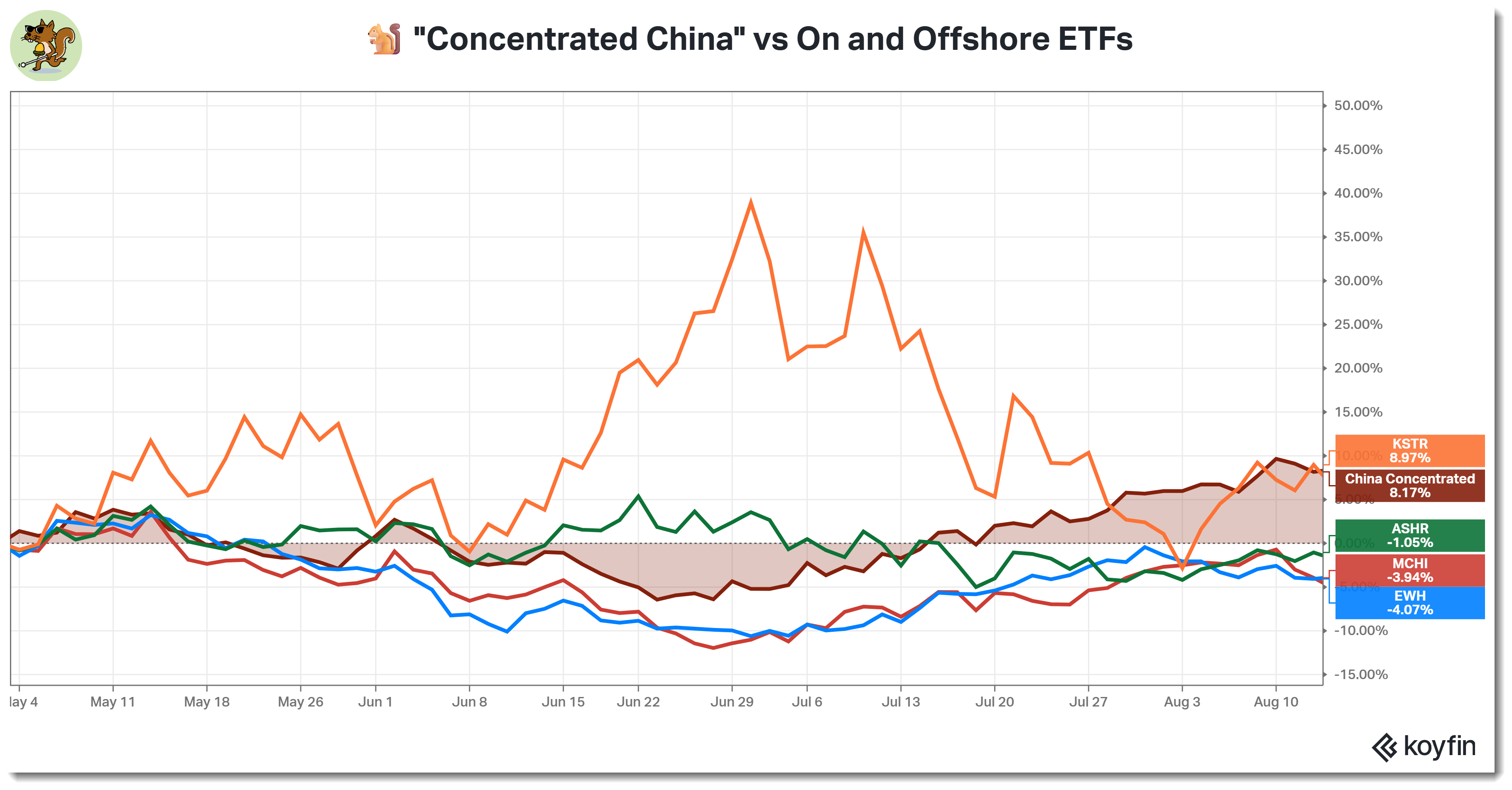
This basket has ‘performed’ satisfactorily versus other broad-based China / HK exposures - even the ‘Icarus run’ of KSTR 0.00%↑ (the epicenter of the onshore semi / AI hardware bull market).
Time for some changes.
