

Frontier Justice
Last November, in ‘The Prabowo Pivot’, I felt that it was time to bulk out my ASEAN exposure by leaning into Indonesian equities after 2 years of dire relative performance versus other emerging markets.
My thoughts were turned to Jakarta stocks off the back of two separate presentations from friends at an ideas conference in Hong Kong in late October:
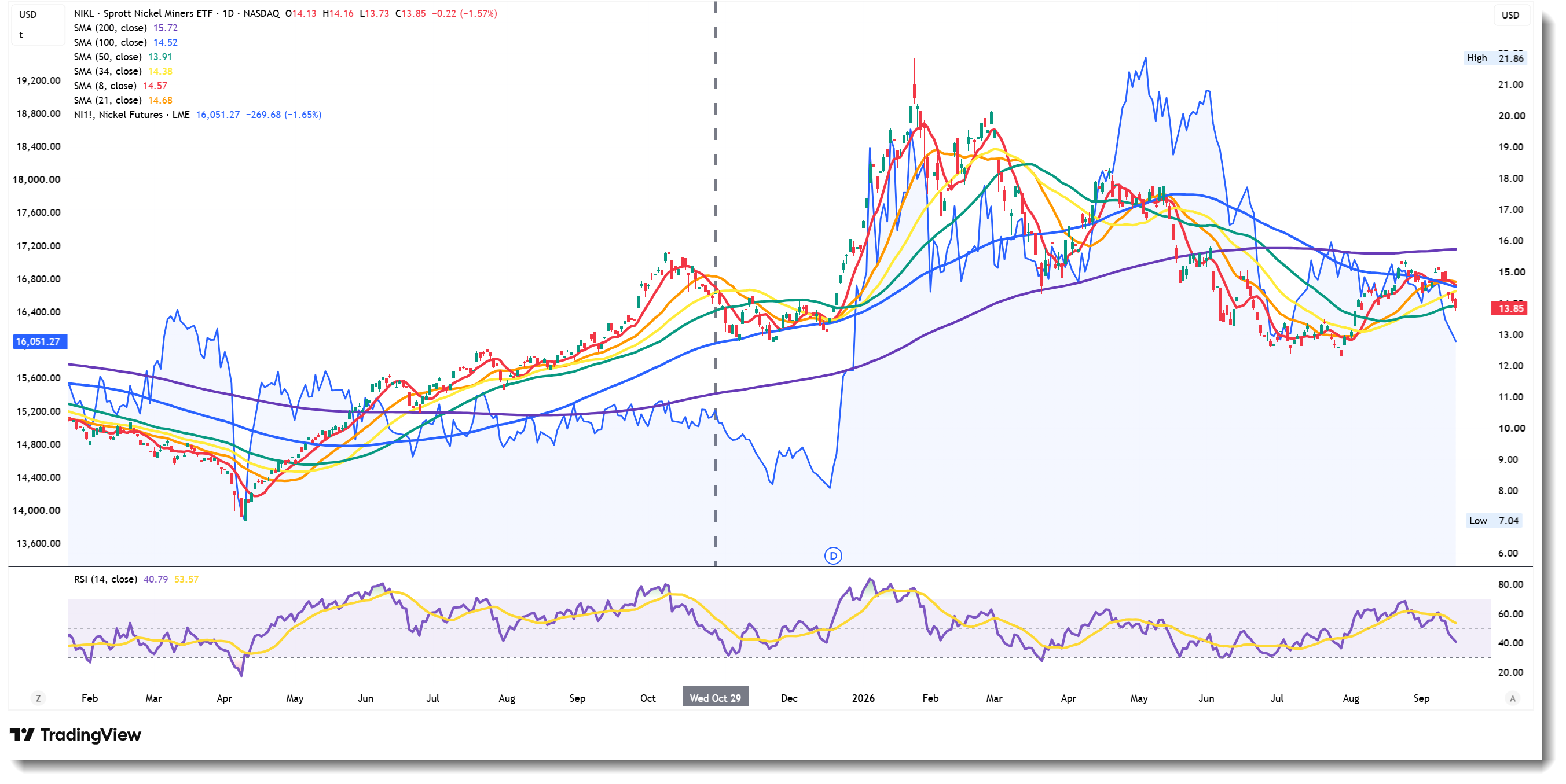
A bullish thesis for nickel (“The Invisible Metal”) and nickel miners from PauloMacro - which promptly started running like it had stolen something a few weeks later (🎩!). Indonesia is of course the “Saudi Arabia of Nickel”.
A persuasive turnaround pitch for Indonesian bank equities from ‘Dallas Equities’
These were the catalysts I needed to do more work, having viewed Indonesia as a promising equity story for some time, as…
…a potential winner in a multipolar world…
“As a fully paid up member of BRICS and with ambitions to becoming the first ASEAN nation in the OECD, Indonesia is positioned as a credible mediator between the Global South and the developed world. Indonesia has no defense treaty with external powers and hosts no foreign military personnel on its soil. Neither is it dependent on any single major power for foreign investment.”
…and as a nation launching an ambitious pivot to growth with a large investment program in “soft infrastructure” (healthcare and education) in an attempt to capitalize on its demographic dividend and escape the ‘middle income trap’.
Well, everyone has a plan… until they get hit by the first punch! Our fresh position in EIDO 0.00%↑ was barely 2 months old when - in late January - MSCI announced out of the blue that Indonesian equities were on watch for being relegated from ‘emerging’ to ‘frontier’ market status.
A nation of 286 million and a GDP of $1.5 trillion - are you kidding me MSCI??? (especially having bent all those rules for SpaceX). More on this topic later…
Only a month later, the energy shock created by the Iran war was triggering an inflation rip across Southeast Asia that immediately thwarted any hope of the anticipated monetary easing by regional central banks.
The ASEAN Energy Shock Hits Differently
To be honest, crude prices have been making a mess of the 🐿️’s ASEAN plans - our other principal exposure to the region is via the HK-listed Philippines/ Indonesian conglomerate, First Pacific (142.HK).
Indonesia may be a large energy exporter (with coal and palm oil) but it is a net oil importer. Domestic inflation has been contained there because Jakarta administers retail prices. In other words, the price spike shows up in the fiscal budget - not in measures of CPI.
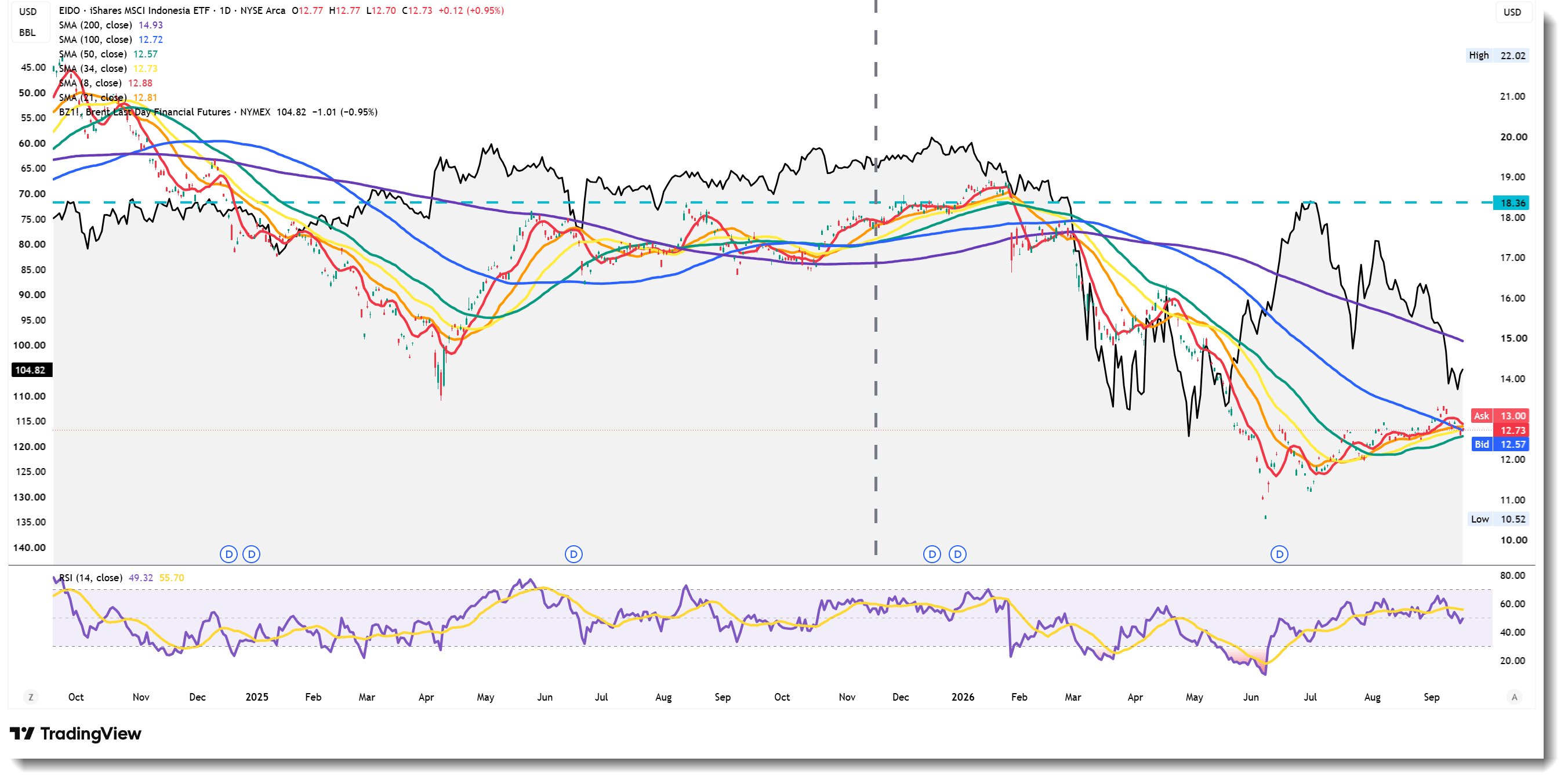
The problem is that the Prabowo Administration’s 2026 budget assumed a crude price of $70 at a USDIDR rate of 16,500! This has major implications in terms of a breach of the legal fiscal deficit cap of 3% of GDP - with the Finance Ministry estimating a breach to 3.6% at current oil prices unless expenditure adjustments are made. This probably explains the currency’s tepid response to the recent rate hikes.
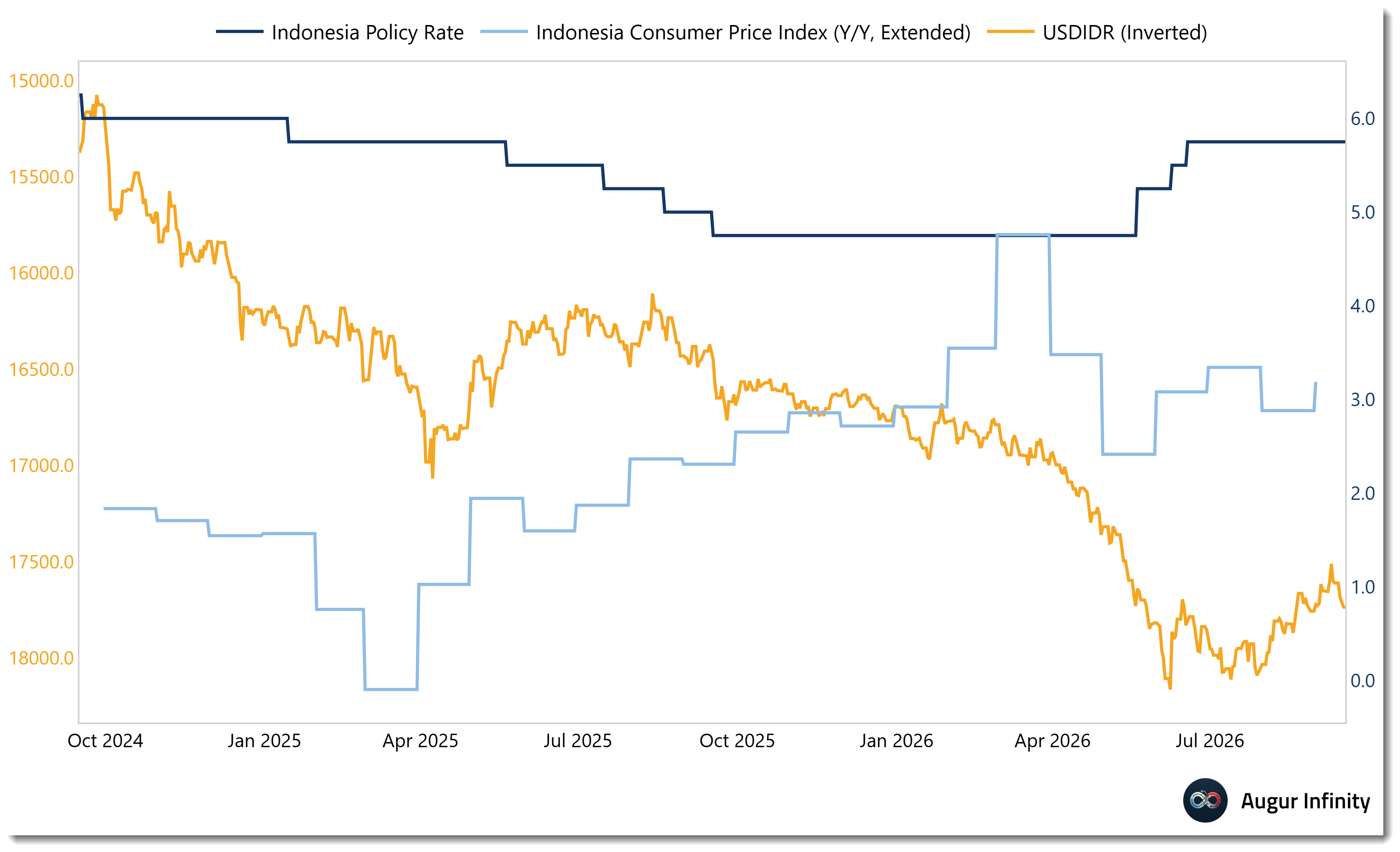
In other words, at first glance, the Indonesian policy rate would appear to look restrictive. However with headline inflation not capturing the bulk of the energy shock, this is a bit of an illusion.
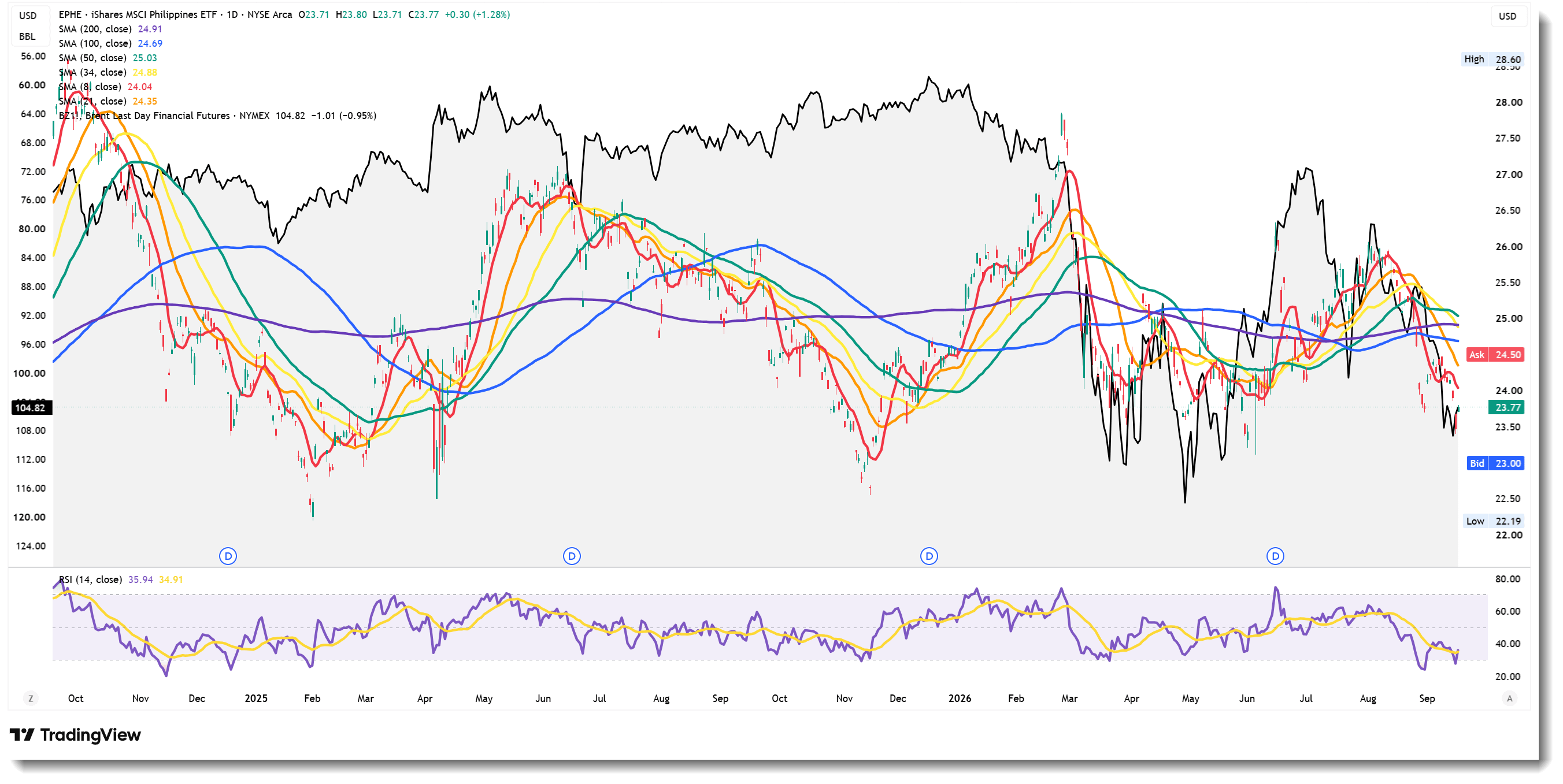
By contrast, in the Philippines - a pure energy importer with no fuel subsidy protections - consumers were immediately hit with record pump prices and skyrocketing CPI (with which even aggressive monetary policy is struggling to keep up).
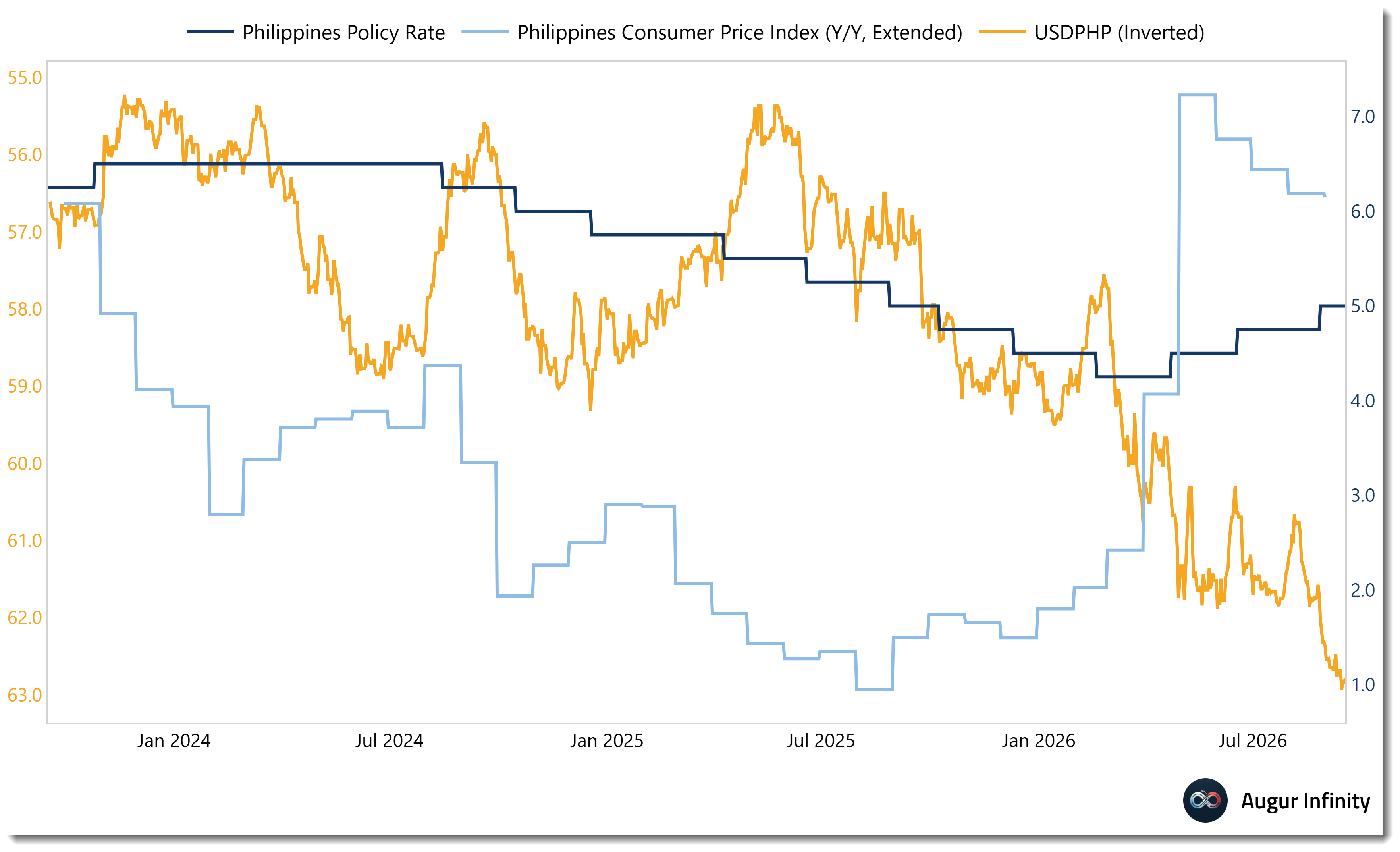
No surprise therefore that Philippine stocks are moving in lock-step with crude prices.