


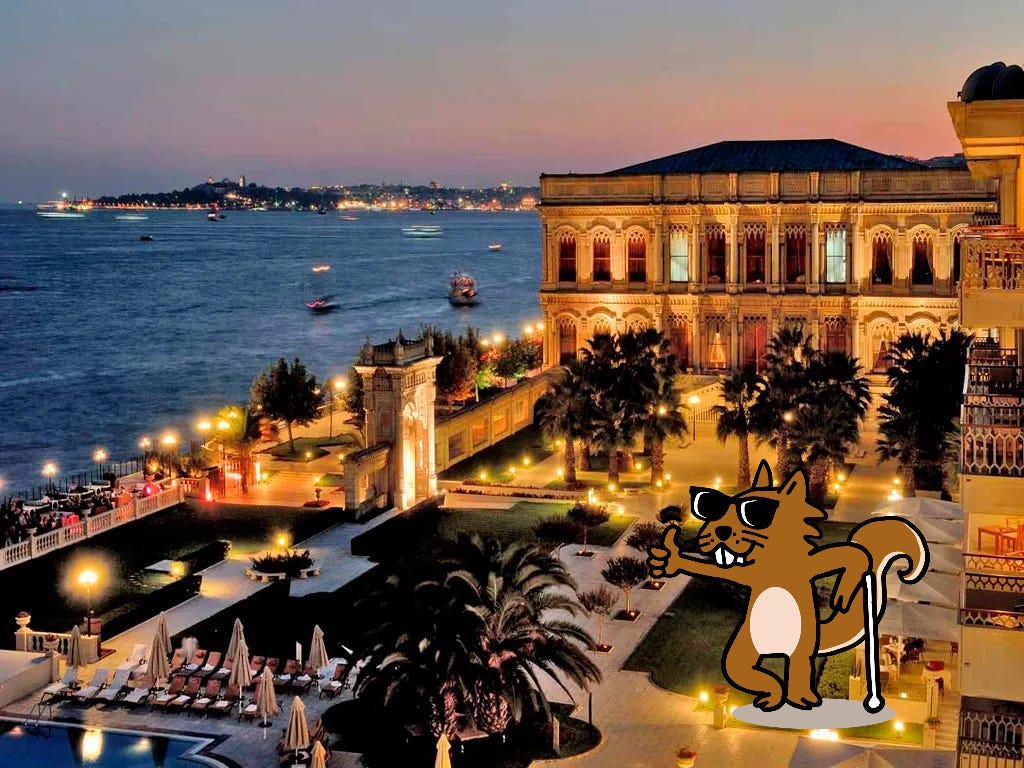
Being an investment banker in emerging markets in the mid-1990s had a lot to be said for it. Doing deals in a hot asset class and business trips to exotic places with limited mobile phone roaming and the hotel business center fax machine as the only link with accountability the office.
Turkey was a regular (and favorite) destination for ‘Club Med’ - the secret name we gave to our intrepid corporate finance team covering the Casablanca to Beirut (a lot more fun in those days…) beat.
The bank’s approved hotel list in Istanbul called for a truly challenging (😉) choice between the Ciragan Palace on the edge of the Bosphorus or the Four Seasons (in a converted Ottoman prison - much better than it sounds!) on the Golden Horn.

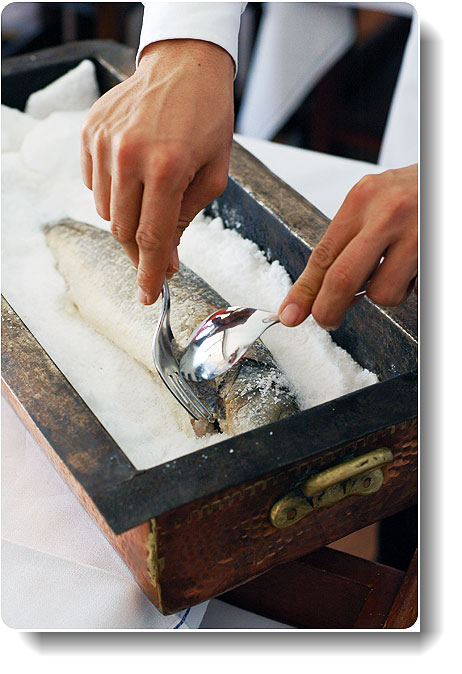
I am reliably assured that the mezze and flagship brandy-flamed, salt-baked sea bass specialty at Körfez Restaurant on the water front in Kanlıca (Asian side) still melt in the mouth 3 decades on.
Turkey was ‘Downtown Europe’ with ‘Asia Tiger’ growth characteristics and this young 🐿️ was so enamored by the Eurasian fusion of the ‘Pearl of the Orient’ that he started contemplating learning the language and sticking around for a few years to enjoy the ride.
Doing Turkish deals, however, did have its issues. After several months of diligently preparing the IPO of a promising private sector commercial bank, we were sitting in the offices of the lawyers putting the final touches to the prospectus.
All that was missing was for us to drop in the set of completed International Auditing Standard (IAS) financial statements into the appendix and send it over to the printers.
We had been valuing our promising little bank on the basis of its local GAAP accounts and had been told that the ‘IAS 29’ adjustments would not create any untoward surprises for us.
IAS 29, "Financial Reporting in Hyperinflationary Economies," is the IFRS standard dictating how entities must adjust their financial statements when operating in a hyperinflationary functional currency. It requires restating historical financial figures into current purchasing power terms at the reporting date, which “prevents severe distortions in asset values and reported earnings”.
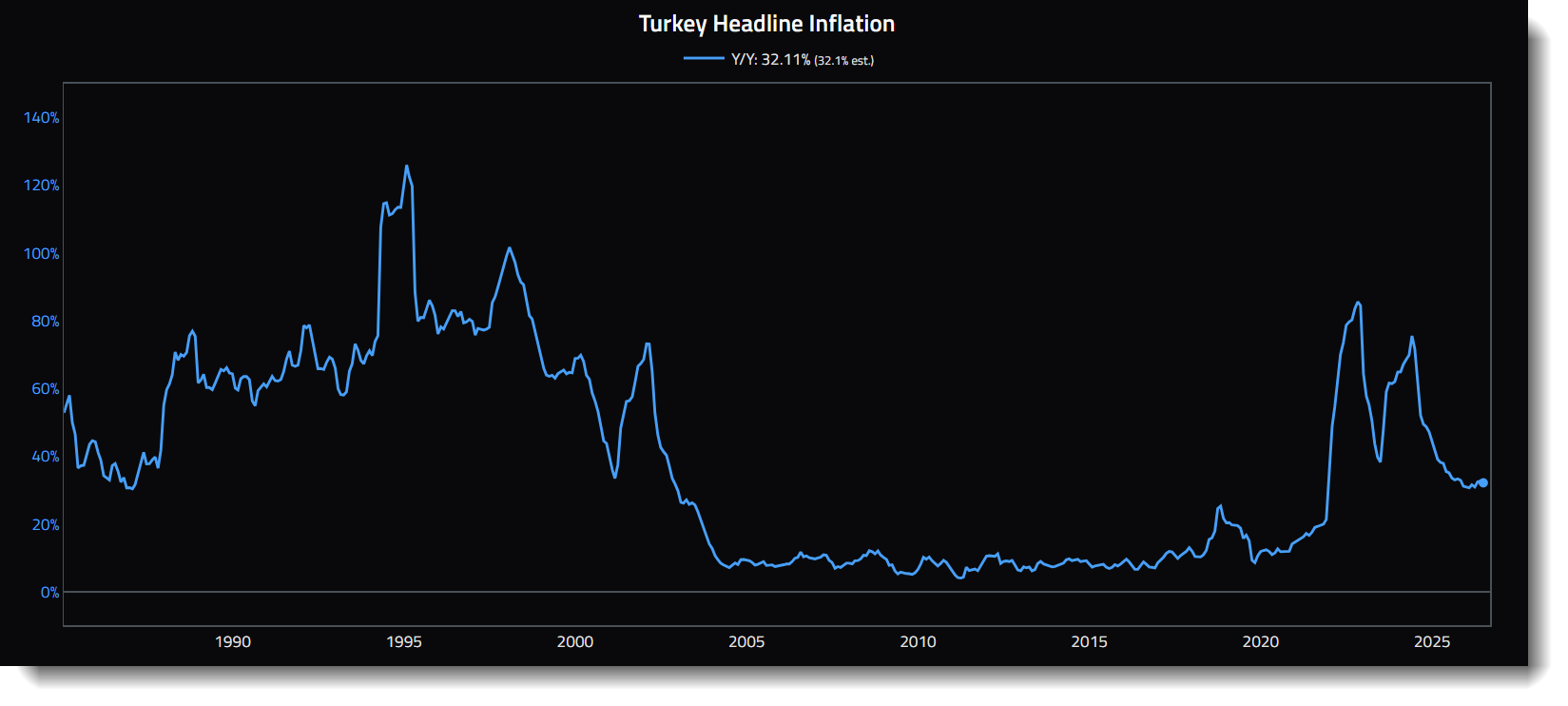
We had of course been making inflation adjustments in our earnings model (CPI was still running in the 70% zip code). But surely we could not be that far off? Wrong! The adjustments - upward reflation of equity book value and ‘monetary losses’ applied to the income statement - had just turned our modestly-sized but attractive private bank into a minnow with an adjusted ROE barely perceptible to the naked eye!
We knew immediately that trying to persuade generalist EM investors to ignore these adjustments and “just focus on the local GAAP numbers” was not going to wash. ‘Club Med’ made an awkward phone call to the boss. We would not be launching a roadshow the following day.
For a ‘baby banker’ 🐿️ in the mid 1990s, Turkey was “Europe with Asia growth” and cheap banks (and great food) on the Bosphorus. ‘IAS 29’ was a reminder that strings were attached. The macro still demands a discount (persistent inflation will do that to you), but the 2026 version of Turkey - the ultimate ‘middle power’ with plenty of options – still offers a compelling stock pitch.
