



Another early edition. Given our overweight positioning in energy, Part 3 of the 🐿️’s annual stock take considers the implication of China’s emerging control of oil prices.
I touched briefly on the topic of energy in Part 1 of this year’s ‘Stock Take’ last weekend. However, given my overweight position across multiple sub-sectors of the energy complex, we need to do some more work.
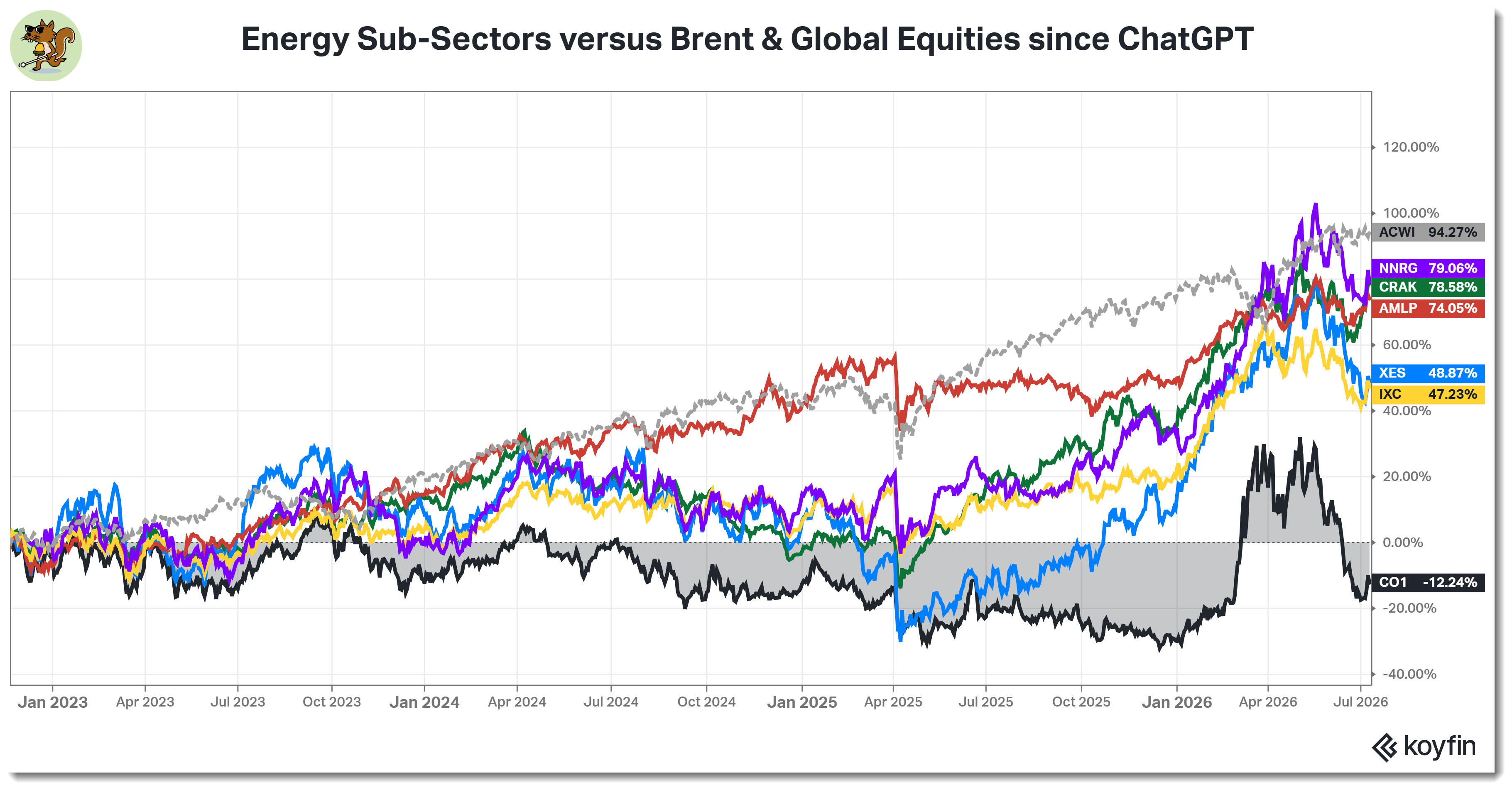
In some ways, it has seemed that life for energy bulls has been tougher than lived reality. If you track the performance of the main energy categories since AI hijacked the global equity narrative in November 2022, energy equities have managed to keep pace with world stock markets.
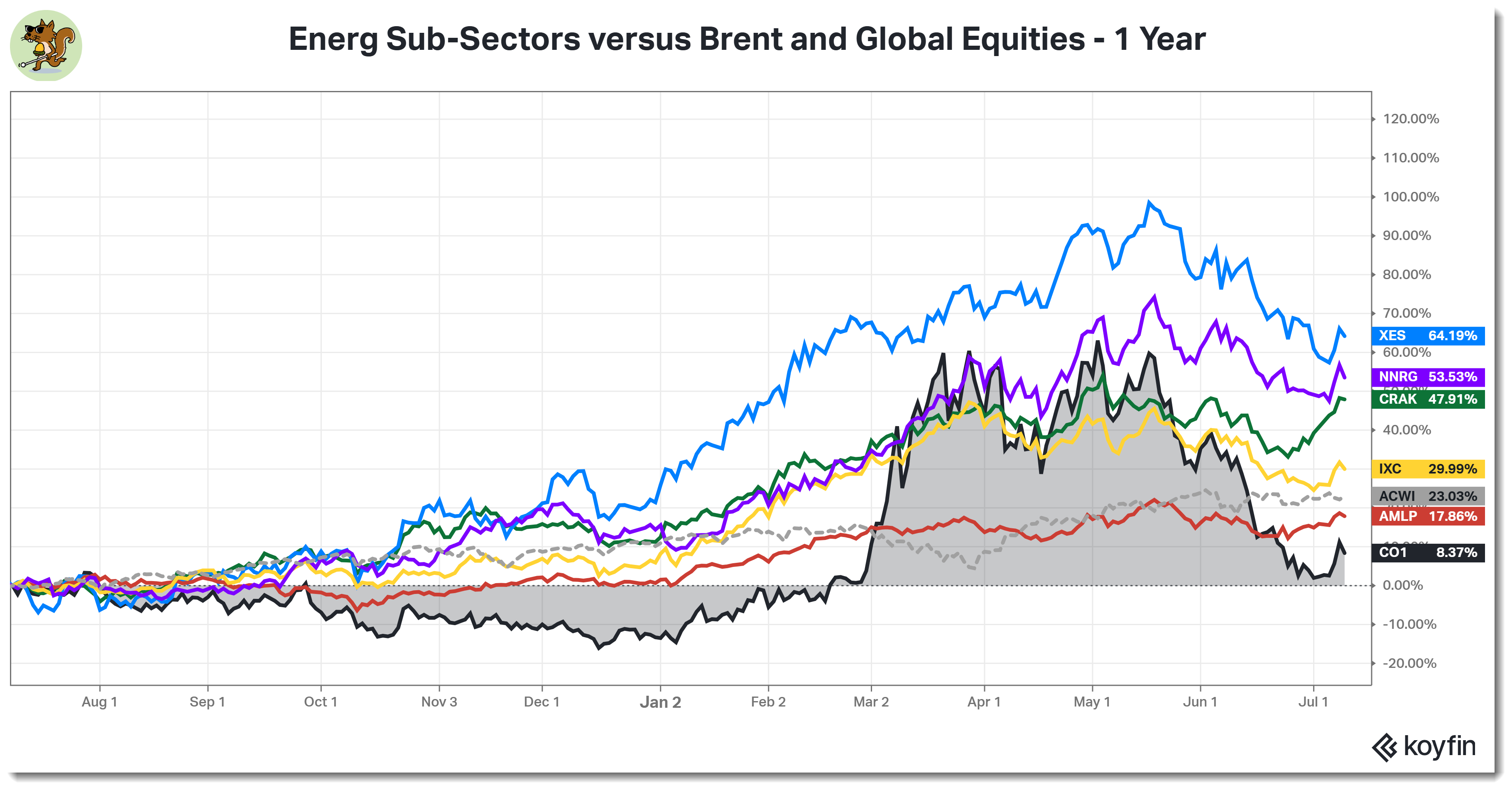
In fact, in the past 12 months, most energy sub-sectors were outpacing broader equities before things kicked off in Iran in the face of a “super glut” narrative headwind.
I will leave the fight over SPR “tank bottoms” to the professional barrel counters. I have sympathy with the view that treating strategic reserve releases as a kind of synthetic demand destruction makes no sense. Sovereign resiliency lessons have been learned the world over in the past 6 months.
National energy reserves have proven their strategic value. They are going to be topped back up even if I now think that this can be achieved without the need for spot crude to spend an extended period of time in the triple digits. China has just proved that it can cut off the right tail for non-existential supply shocks.
The China Collar
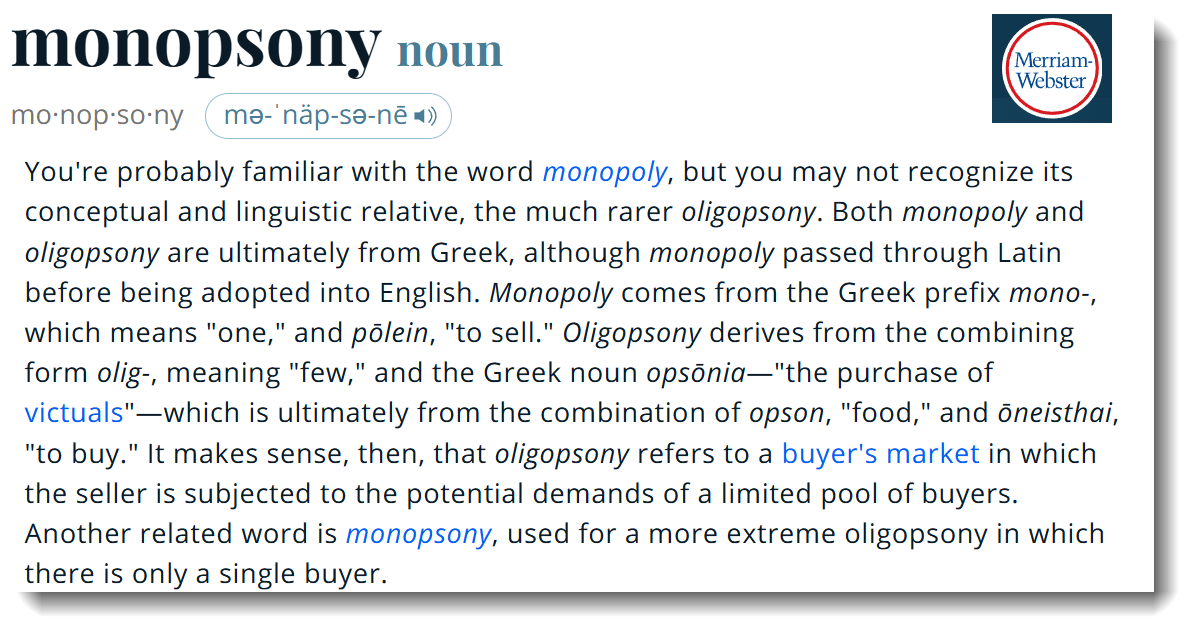
Through its use of strategic inventory management, China may be effectively taking over from OPEC+ as the primary “price maker” in the global crude market. It has built itself into a position such that it will never again be forced to compete on price for spot cargoes.
In what could be viewed as the ultimate triumph of engineers (building storage tanks) over lawyers (negotiating quotas and artificial supply cuts), has China now effectively removed the source of traditional crude price volatility?
